Most foreigners arrive in Germany with one assumption about German beverages:
“This is a country fueled entirely by beer.”
And yes… Germany does take beer seriously. But if you actually live there, you quickly discover something surprising:
Germans drink a lot of things that aren’t beer.
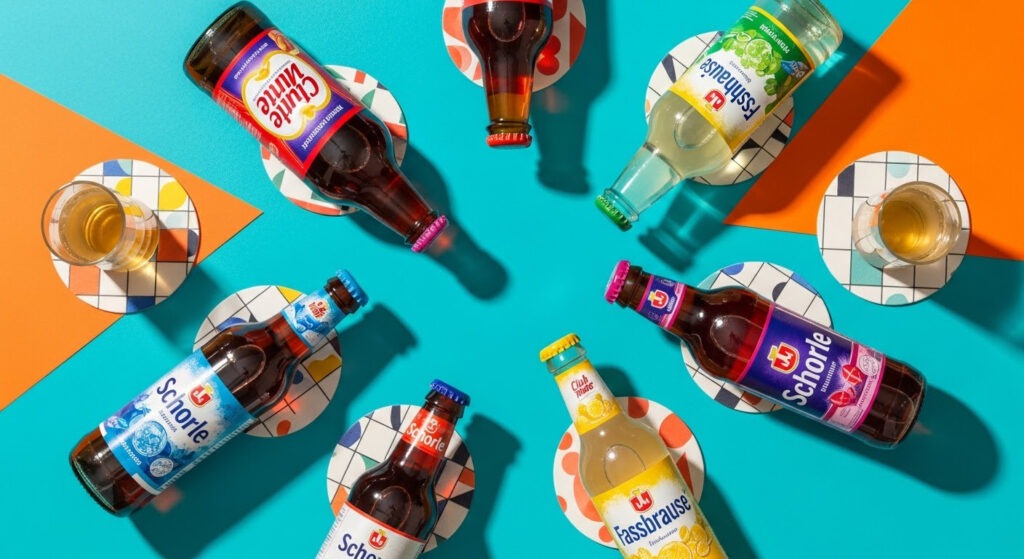
Walk into a café, bakery, or lunch spot and you’ll see locals ordering fruit spritzers, herbal sodas, malt drinks, and bizarre cola hybrids that somehow taste amazing.
So if you want to drink like a local in Germany, forget the beer hall for a minute. Let’s explore the real everyday German beverages.
1. Saft-Schorle: Germany’s Everyday Drink
The most common non-alcoholic drink in Germany isn’t soda.
It’s Schorle.
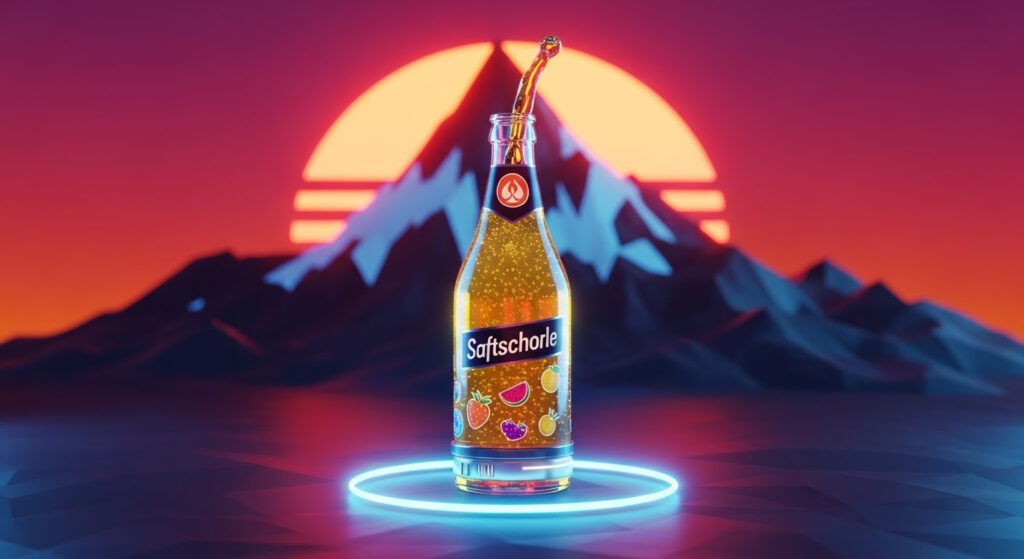
A Schorle is simply:
fruit juice + sparkling mineral water
Usually mixed about 50/50.
The undisputed king is:
Apfelschorle (apple spritzer)
You’ll see it everywhere — restaurants, school cafeterias, hiking huts, even hospital vending machines.
These German beverages are refreshing because they are:
- less sweet than juice
- less boring than water
- naturally fizzy
Apfelschorle is so common that Germans sometimes forget it’s technically a mixed drink.
Other popular versions include:
- Johannisbeerschorle (black currant)
- Rhabarberschorle (rhubarb)
- Traubenschorle (grape)
In summer, Germans basically run on Apfelschorle and sunshine.
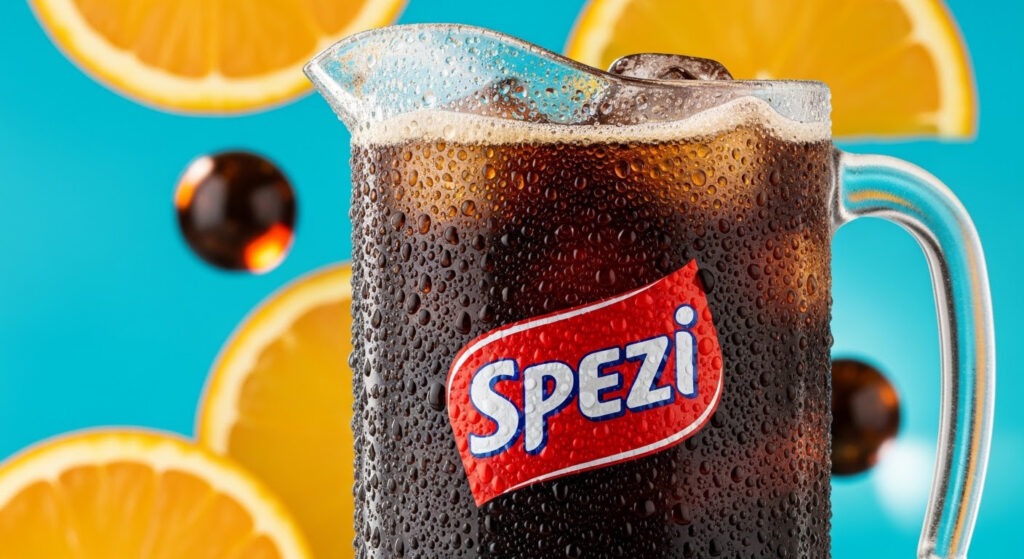
2. Spezi: The Soda Combo That Shouldn’t Work (But Does)
One of Germany’s most beloved sodas is Spezi.
It’s a simple concept:
cola + orange soda
That’s it.
It sounds like something a bored teenager would invent at a fast-food fountain machine.
But in Germany it’s an institution.
The drink originated in Bavaria in the 1950s and became a national favorite, with Paulaner Spezi being one of the most famous versions.
It’s sweet, citrusy, slightly cola-like, and oddly addictive.
Fun fact:
Spezi recently arrived in the U.S. under the name Paulaner Sunset, because of trademark issues.
So if you suddenly see orange-cola in American stores…
Germany is responsible.
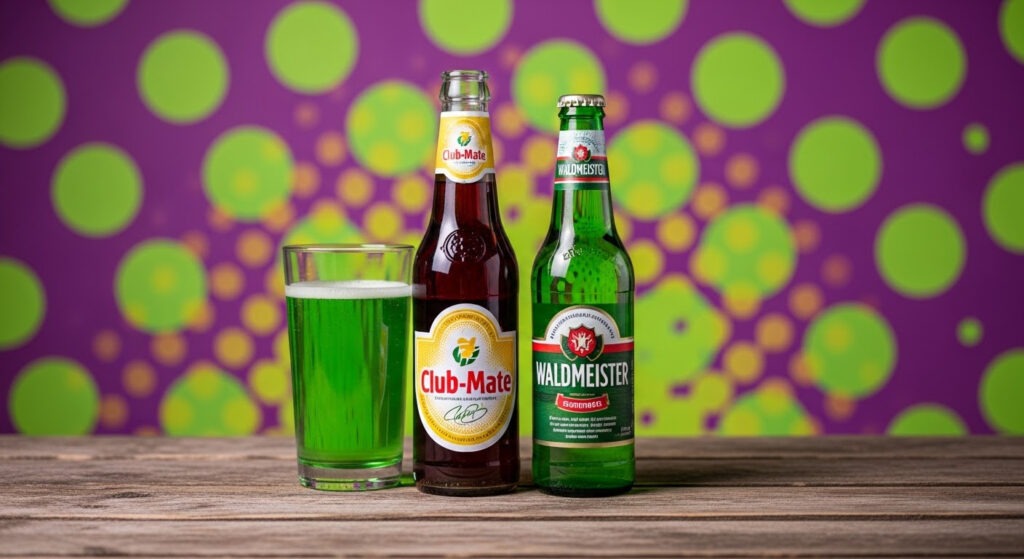
3. Club Mate: The German Beverage That Powers Berlin
If you walk into a Berlin startup office or techno club, you’ll probably see bottles of Club Mate everywhere.
Club Mate is:
- made from yerba mate tea
- lightly sparkling
- highly caffeinated
- slightly herbal and earthy
It’s been around since the 1920s, but exploded in popularity with the Berlin hacker and tech scene.
Today it’s basically the official drink of programmers, gamers, and DJs.
Imagine iced tea crossed with an energy drink… but somehow more German.
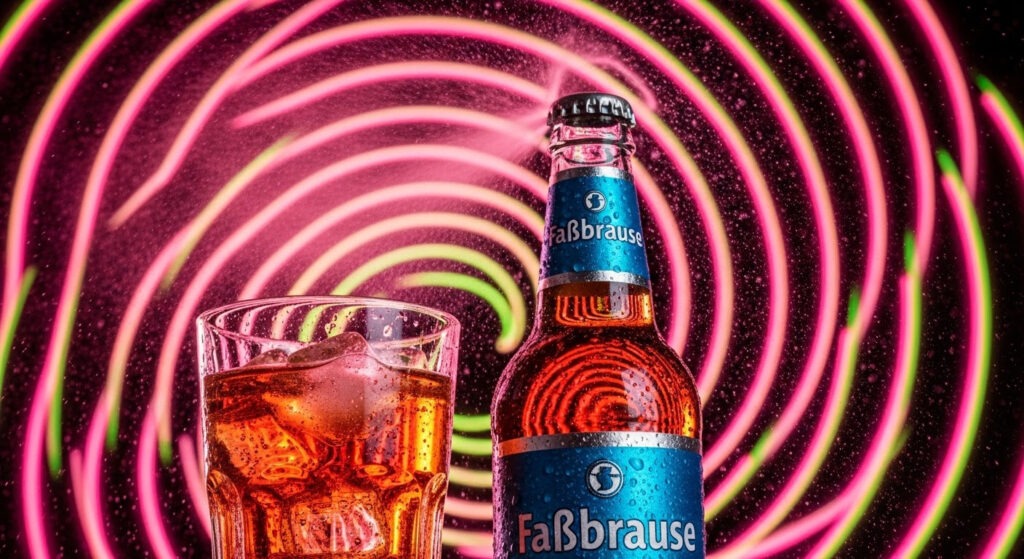
4. Faßbrause: The Soda That Pretends to Be Beer
Another uniquely German drink is Faßbrause.
The name literally means:
“keg soda.”
It was invented in Berlin in the early 1900s as a non-alcoholic alternative to beer.
Traditional Faßbrause is made from:
- malt extract
- fruit flavor
- herbs and spices
There are two main styles:
Berlin Faßbrause
- herbal
- slightly malty
- often apple or woodruff flavored
East German Faßbrause
- sweeter
- usually raspberry flavored
It’s refreshing, nostalgic, and very German.
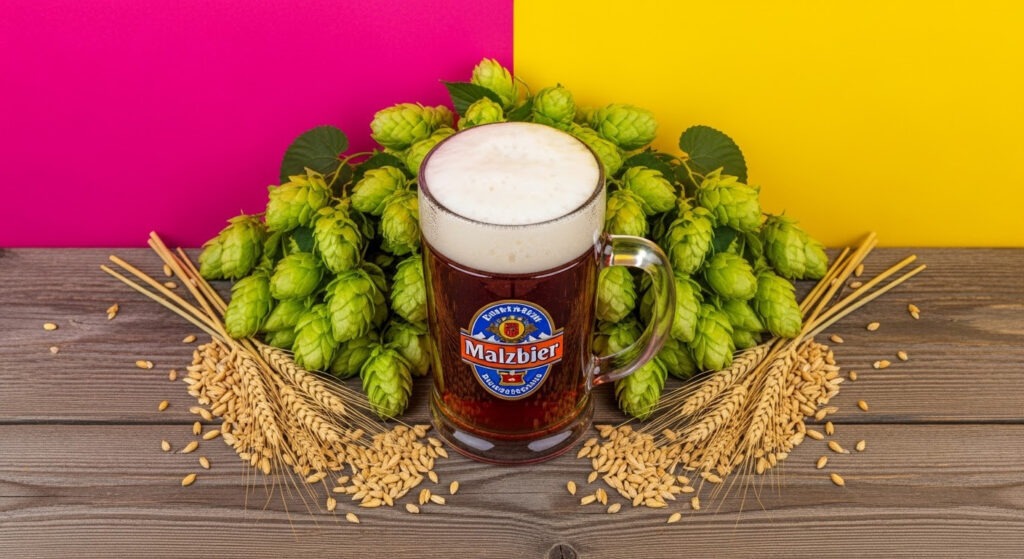
5. Malzbier: Germany’s Sweet Malt Energy Drink
Another classic is Malzbier (malt beer).
Despite the name, it’s non-alcoholic.
Malzbier is:
- dark
- sweet
- made from malted barley
Popular brands include:
- Vitamalz
- Karamalz
For decades it was marketed as a healthy energy drink for kids and athletes.
Imagine if someone made beer-flavored soda… but sweet.
That’s Malzbier.
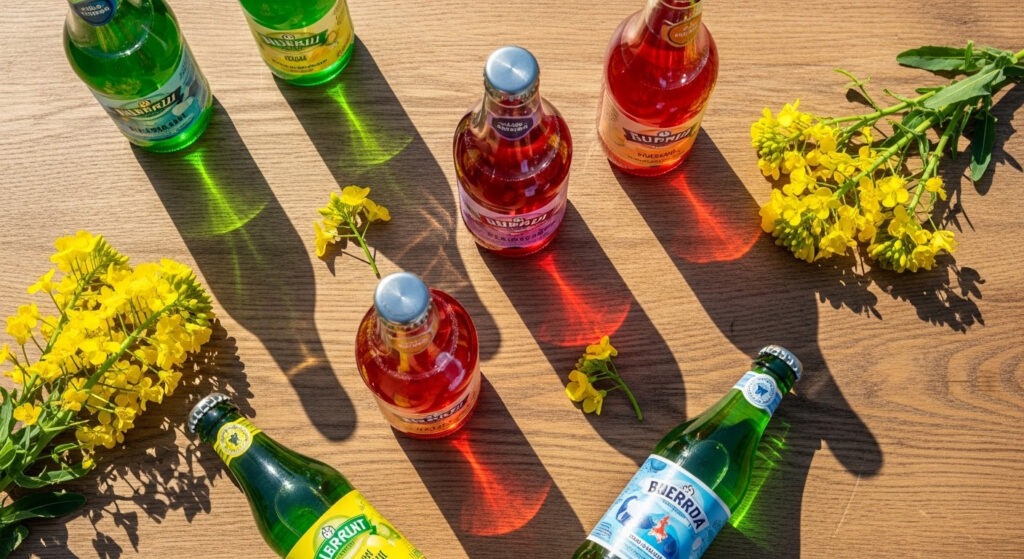
6. German Craft Soda
Germany also has a growing craft soda scene.
These drinks are usually:
- organic
- less sweet
- creatively flavored
One standout brand is Wostok, inspired by Eastern European flavors.
Popular varieties include:
- Tarragon Ginger
- Tamarind Cola
- Lemon Mint
- Organic Blueberry
- Pear Rosemary
- Plum Cardamom
- Pine Needle
- Date Pomegranate
They’re basically the hipster version of soda.
And honestly… some of them are incredible.
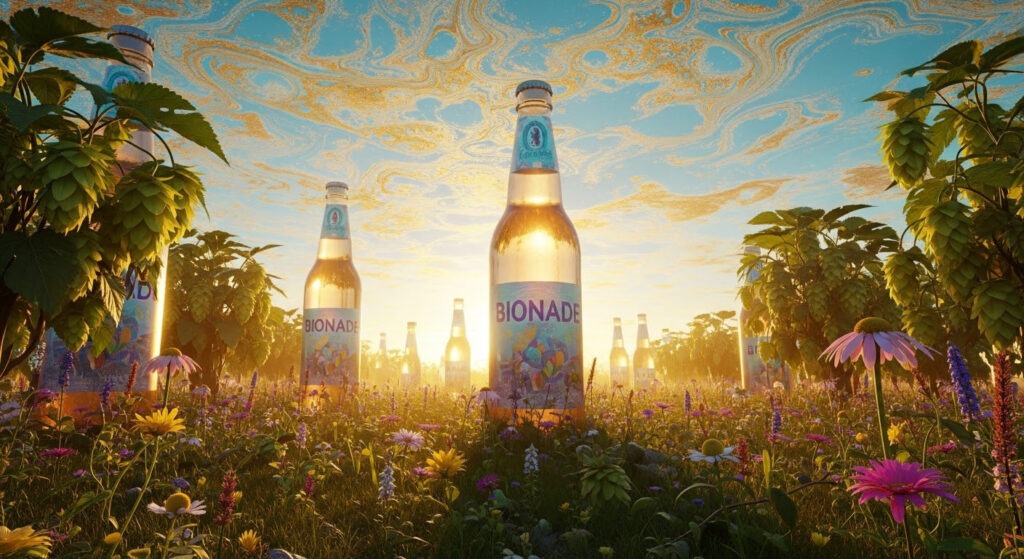
7. Bionade: Germany’s “Healthy Soda”
One drink that deserves its own spotlight is Bionade. Bionade is often described as Germany’s original “healthy soda.”
It was developed in the 1990s by a Bavarian brewery that experimented with fermenting natural ingredients instead of brewing beer. The result was a lightly sparkling soft drink made through a fermentation process using malt, water, and natural flavorings.
Unlike traditional sodas, Bionade is known for:
- organic ingredients
- less sugar than typical soft drinks
- a fermentation-based production process
- unique fruit and herbal flavors
Popular flavors include:
- Elderberry
- Ginger Orange
- Litchi
- Herbs
Bionade exploded in popularity in the mid-2000s, especially among younger Germans looking for alternatives to sugary sodas.
For a while, it became the symbolic drink of Germany’s eco-conscious, urban generation, kind of like kombucha culture today.
And even though its hype phase has passed, Bionade is still widely available across Germany and remains a staple of the country’s organic beverage movement.
8. Waldmeister: Germany’s Mysterious Green Soda
If you ever see a bright green drink in Germany, there’s a good chance it’s flavored with Waldmeister.
Waldmeister means “woodruff” in English, a small forest herb called sweet woodruff that grows across Central Europe.
Traditionally, the plant was used in:
- herbal wines
- desserts
- syrups
- and springtime drinks
But in modern Germany, it’s most famous as a soda flavor.
Waldmeister drinks are instantly recognizable because they’re usually:
- bright green
- lightly herbal
- slightly vanilla-like
- sweet but refreshing
The flavor is hard to describe if you didn’t grow up with it. Many people compare it to a mix of:
- vanilla
- fresh grass
- almond
- and mild herbs
It sounds strange but Germans absolutely love it.
You’ll find Waldmeister flavor in:
- soda and sparkling drinks
- ice cream
- gelatin desserts
- syrups for mixing drinks
- the famous Maibowle (a traditional spring punch made with woodruff)
Because natural woodruff contains coumarin, a compound that can be harmful in high amounts, most commercial drinks today use synthetic woodruff flavoring instead of the real plant.
Still, the flavor remains one of Germany’s most recognizable.
And yes…
Foreigners almost always react the same way when they try it:
“Why is this soda green?”
9. Regional Soda Legends
Germany also has regional soft drink icons.
Almdudler
Technically Austrian, but wildly popular in southern Germany.
Flavor profile:
- herbal
- slightly citrusy
- alpine mountain vibes
Fritz-Kola
A German craft cola from Hamburg that contains more caffeine than Coca-Cola and uses less sugar. It’s extremely popular in bars and clubs.
Afri Cola
A historic German cola brand dating back to 1931, once one of the country’s biggest soft drinks.
Bluna
A classic orange soda launched in 1952 that became a pop-culture icon in Germany.
FAQ About German Beverages
What beverages are popular in Germany?
Popular everyday drinks include:
- mineral water (often sparkling)
- Apfelschorle
- Spezi
- iced tea
- Cola
- coffee
- Malzbier
- fruit juices
- alcohol-free beer
Beer may dominate tourist imagery, but Schorle and sparkling water are daily staples.
What is a Saftschorle?
A Saftschorle is any fruit juice mixed with sparkling mineral water. The most common is Apfelschorle, made with apple juice and carbonated water.
What’s the most popular soft drink in Germany?
Like most countries, cola dominates the soda market, with cola-based drinks making up the largest share of soft drink production. However, German drinks like Apfelschorle and Spezi are also popular.
What should you drink in Germany if you don’t like beer?
Try these:
- Apfelschorle
- Spezi
- Club Mate
- Fritz-Kola
- Almdudler
- Malzbier
- craft sodas like Wostok
Germany has one of Europe’s most diverse soft-drink cultures.
What is the most consumed drink in Germany?
Overall, mineral water, especially sparkling water, is the most consumed beverage in Germany. Germans drink far more sparkling water than most countries.
Which fan-favorite German soda is now available in the US?
Spezi has recently launched in the United States under the name Paulaner Sunset.
Final Thoughts: German Beverages Offer More Than Just Beer
Germany might be famous for beer. But everyday German beverage culture is actually built around:
- sparkling mineral water
- juice spritzers
- herbal sodas
- caffeinated tea drinks
- regional soft drinks
And once you discover these, something strange happens. You realize that beer is only one of many German beverages. The real German drink menu? It’s far more interesting.