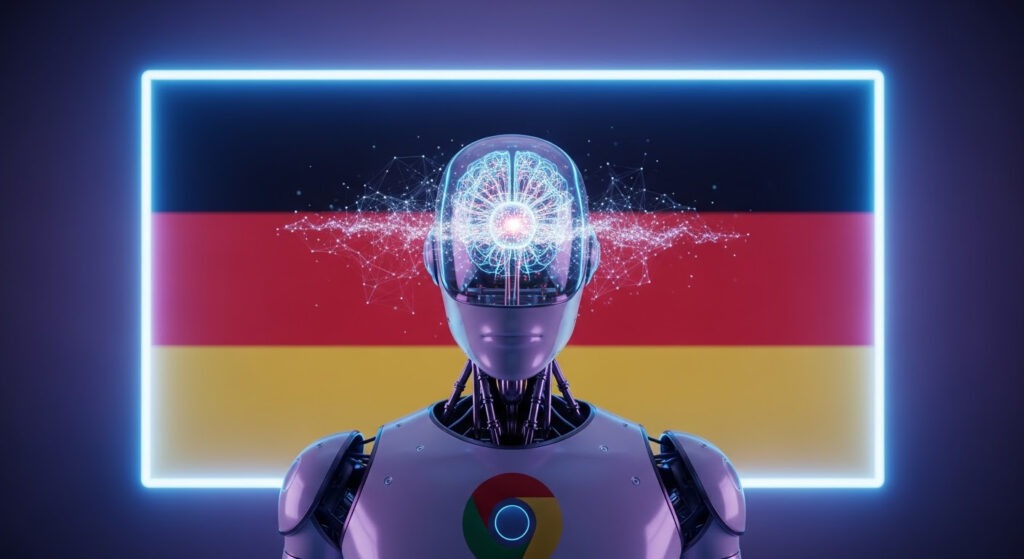
Forget everything you thought you knew about learning German. The future of language acquisition isn’t just different, it’s mind-blowing. We’re diving deep into how learning German with AI is making traditional methods obsolete, giving you an unfair advantage in mastering German pronunciation. Prepare to discover the practical, AI-powered shortcuts to conversational fluency that no one else is talking about.
The Old Way vs. The AI Revolution
Let’s be honest, the traditional way of learning German can be a struggle. We’ve all been there: heavy textbooks, boring drills, and that paralyzing fear of actually opening your mouth to speak.
But what if I told you the “Old Way” of learning is officially becoming obsolete? What if there was a way to bridge the gap between “boring” drills and real, confident conversation—without the judgment, and without the wait?
Imagine a learning path that isn’t just a generic chapter in a book, but a personalized system that provides instant feedback. It’s like having a patient tutor who understands exactly why you’re mixing up your cases and helps you fix it on the spot. We’re not just talking about learning faster; we’re talking about a complete revolution in how you achieve fluency.
We’re talking about a revolutionary shift in how your brain acquires language. You’re about to discover how AI is becoming the patient tutor, the vocal coach, and the round-the-clock speaking partner you’ve always wanted.
By the end of this blog post, you’ll have a roadmap to an AI-powered ecosystem that doesn’t just help you learn German, it helps you live it. The future is here, and it’s going to give you an unfair advantage. Let’s dive in.
AI for Perfect Pronunciation and Accent
One of the biggest hurdles in German is pronunciation. I’ve noticed many of you mentioning in the comments that you feel like you’re struggling with “Aussprache” and getting those unique German sounds just right.
It’s frustrating because sometimes you can’t even hear the phonetic errors you’re making. But this is exactly where AI becomes your secret weapon.
So, how do you actually start learning German with AI at home? It’s simpler than you think. You can use AI-powered speech recognition tools, many of which are built right into the apps you already use to record yourself speaking. The AI then compares your waveform and frequency to a native speaker’s.
So, which AI tools should you actually use? For that visual, waveform feedback I mentioned, look at apps like Talkpal AI (which has multiple languages) or Speechling. Both use AI to compare your voice to a native speaker’s and show you exactly where your pitch or emphasis is off.
If you want a more conversational feel, check out LanguaTalk or Gliglish. These websites use AI to let you practice speaking in real-time. They don’t just “hear” you; they provide instant, written corrections for your pronunciation and grammar as you talk.
Learning German with AI Makes Grammar and Vocabulary Easy
Grammar and vocabulary are usually where the real struggle begins. I see it in your comments all the time. The feeling that German grammar is “so different” and “confusing” can be overwhelming.
But AI is turning these hurdles into stepping stones. Instead of just highlighting a mistake, tools like ChatGPT can now act as personal grammar tutors. You can paste a sentence you’ve written, and ask: “Why is this wrong?” The AI won’t just give you the fix; it will explain the logic behind the cases or word order in a way that actually sticks.
For vocabulary, the “Old Way” was memorizing dry lists. The AI way? Contextual immersion. You can use ChatGPT to generate custom short stories or “real-life” dialogues based on your specific interests, like how to order a coffee or navigate a restaurant in Germany.
Let’s walk through exactly how you can use tools like ChatGPT to create your own “custom immersion” experience at home. Here is your three-step workflow:
Step 1: The Specific Prompt. Don’t just ask for “German sentences.” Be specific! Tell the AI: “I am an A1 learner. Write a 10-line dialogue between a customer and a barista in a Berlin coffee shop. Use common, informal German and include three different ways to order a drink.”
Step 2: The Logic Check. Once you have your dialogue, ask the AI to explain the “why.” For example: “Explain why the customer used ‘hätte’ instead of ‘habe’ in this sentence.” This turns a simple script into a personalized grammar lesson that targets those confusing areas you often mention in the comments.
Step 3: The Active Practice. Now, take those sentences and use a tool like Anki or Mochi. These use Spaced Repetition (SRS) to track how well you know a word. Feed your AI-generated dialogue into these “smart” flashcards. The AI will calculate exactly when you’re about to forget a phrase and show it to you.
This method ensures you aren’t just memorizing dry lists from a book. You are learning the exact vocabulary you need for the situations you care about.
Personalized Grammar Explanations
Instead of just checking if a sentence is right or wrong, you can use AI tools as a private tutor to explain the “why” behind the rules:
- Interactive Breakdown: Paste a sentence you find difficult into an AI like ChatGPT or and ask, “Why is the verb in this position?” or “Explain the case used for this noun.” This is especially helpful for the Nominative vs. Accusative cases that many of you find tricky.
- Immediate Feedback: Use AI-powered writing assistants like LanguageTool. It goes beyond simple spellcheck by providing detailed explanations for German-specific grammar mistakes, helping you understand word order and gender agreement in real-time.
- Custom Scenarios: Ask an AI to “write a dialogue for a German office interview using only the present tense.” This allows you to see grammar rules in action within a situation that matters to you.
Conversational Fluency: Your AI Speaking Partner
I see a common request in your comments: many of you are looking for a “Gesprächpartner” or someone to practice with to improve your German.
That “speaking fear” is one of the biggest hurdles. You want to practice real-life scenarios—like an office interview or talking to a manager—but it can feel high-stakes.
This is where AI truly shines. It provides a judgment-free space to practice simulated dialogues. You can use tools like LanguaTalk or Gliglish to have full, spoken conversations.
Here is how you can apply this: Tell the AI to, “Act as a German hiring manager. Interview me for a marketing role in Berlin.” The AI won’t just ask questions; it will listen to your verbal responses and provide instant, written corrections for any slips you make.
It turns speaking from a source of anxiety into a practiced skill. You’re building the muscle memory required for real-world fluency without the fear of making mistakes in front of others.
Learning German with AI: Integrating AI into Your German Journey
So, how do you take all these tools and actually turn them into a daily habit? It’s not about spending hours staring at a screen; it’s about creating a powerful, personalized learning ecosystem that fits into your life.
Start by using AI to find authentic cultural insights. Ask your AI partner to explain how Germans actually think and speak in different situations—like why they prefer certain phrases over others. This helps you understand the “soul” of the language, not just the rules.
Whether you’re learning to order that perfect coffee or preparing for a big move, remember that the most important part of the journey is you. Use these tools to build your confidence, and then go out and use your German in the real world.
If you found these AI tips helpful, make sure to like and subscribe for more German language insights. I’d love to hear from you. which AI tool are you going to try first? Let me know in the comments below! Vielen Dank und bis zum nächsten Mal!